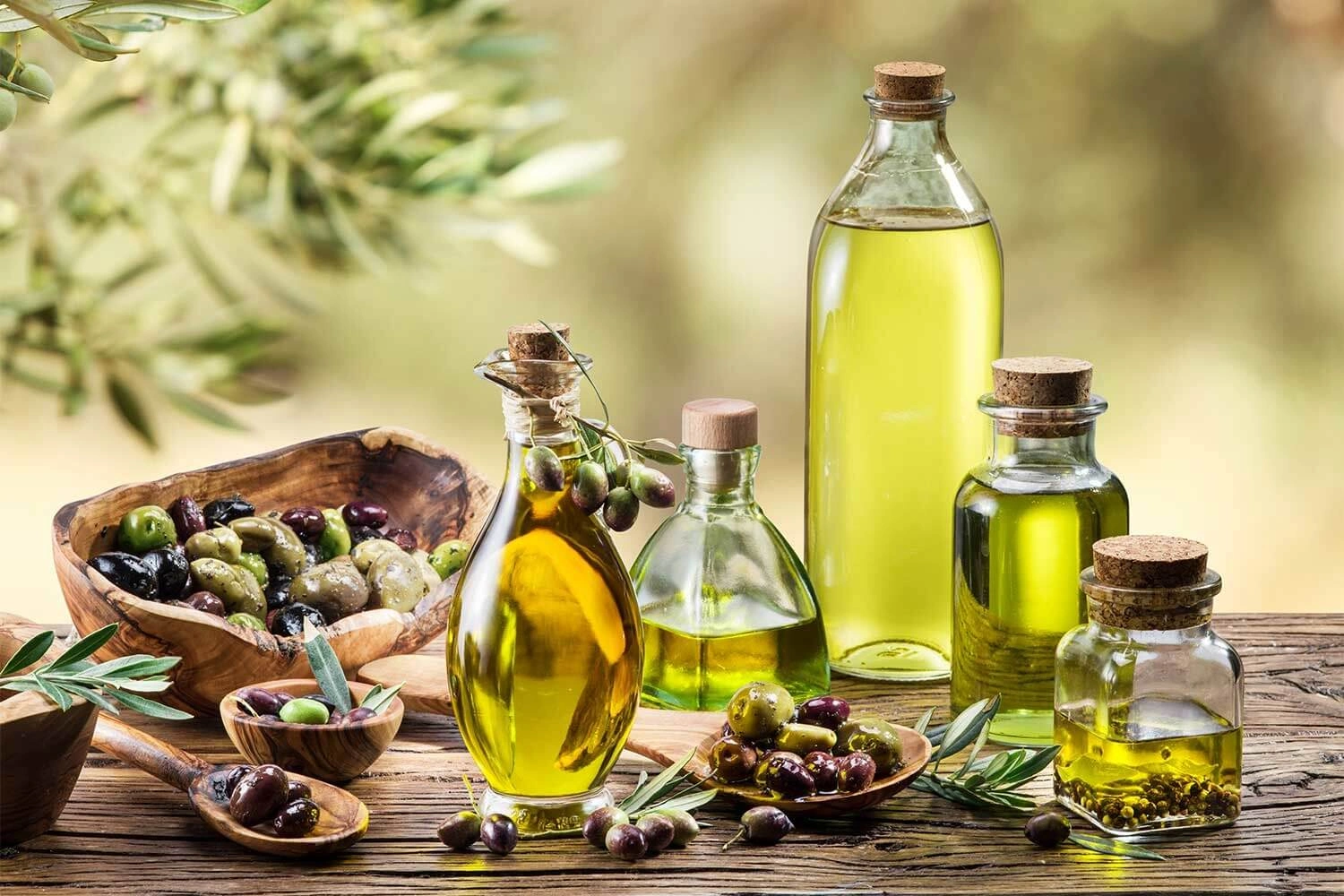
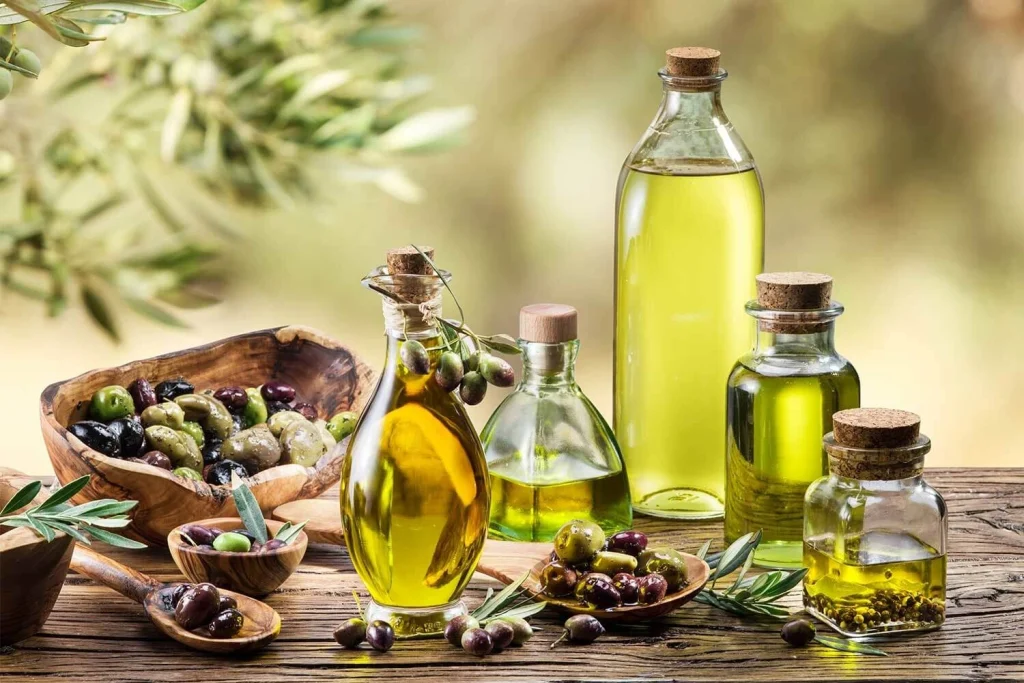
London is one of the most sophisticated food cities in the world. From the artisan market stalls of Borough Market to the independent delis of Marylebone and Shoreditch, the capital has developed a genuine appetite for provenance-led, high-quality ingredients. Yet for all its culinary sophistication, olive oil — one of the most fundamental ingredients in any kitchen — remains one of the categories where most Londoners are still settling for far less than they deserve.
This guide exists to change that. If you want to understand how to buy genuinely exceptional olive oil in London, what to look for, what to avoid, and where the best options actually come from, read on.
Content
Why Most Olive Oil in London Falls Short
Walk into any major supermarket in the capital and you will find shelves lined with bottles making bold claims. Cold pressed. Extra virgin. Artisan. The problem is that in the absence of strict origin labelling, many of these terms are effectively meaningless marketing language.
Much of the olive oil sold across UK supermarkets is a blend of oils from multiple countries — Spain, Greece, Tunisia, Italy — processed at high temperatures to extend shelf life and standardise flavour. The result is a pale, characterless oil that bears little resemblance to genuinely cold-pressed, single-origin extra virgin olive oil.
The good news is that better options exist. And London, more than almost any other UK city, has the artisan food culture to support them.
What Extra Virgin Olive Oil Actually Means
The designation “extra virgin” should mean something specific. To qualify, an olive oil must be produced solely by mechanical means — no heat, no chemicals — and must meet strict chemical standards for acidity (below 0.8%) and sensory quality.
The problem is enforcement. The International Olive Council sets these standards, but monitoring across global supply chains is inconsistent. Studies have repeatedly found that a significant proportion of oils labelled extra virgin in UK and US supermarkets do not meet the standard when independently tested.
For London consumers, this matters enormously. You may be paying a premium price for a product that does not deliver on its basic promise.
The DOP Certification Difference
The most reliable way to ensure genuine quality is to look for DOP certification — Denominazione di Origine Protetta, or Protected Designation of Origin. This is the European Union’s highest standard for food provenance, and it goes far beyond the basic extra virgin designation.
DOP certification guarantees not just that an oil is extra virgin, but that it comes from a specific geographical area, uses specific olive varieties, and is produced according to a defined and verified method. Certified bodies physically inspect producers, test oils in accredited laboratories, and verify every step of the supply chain. There are no shortcuts and no exceptions.
For anyone buying olive oil in London, DOP certification is one of the few genuinely reliable anchors of quality in a market full of misleading labels.
Why Sicilian Olive Oil Is Worth Seeking Out
Among the world’s great olive oil producing regions, Sicily occupies a special position. The island’s combination of volcanic soil, intense Mediterranean sunshine, cooling sea breezes, and dramatic temperature differentials during harvest season creates growing conditions that produce oils of extraordinary complexity and depth.
The Biancolilla variety — grown in the interior hills of the Caltanissetta region — is particularly prized by those who know Sicilian olive oil well. It produces an oil with a distinctively gentle, elegant character: notes of fresh green tomato, almond, and cut grass, with a clean finish and a characteristic peppery sensation that signals high polyphenol content.
Biancolilla is harvested exclusively in November, when the olives reach peak ripeness, and must be cold-pressed within hours of leaving the tree to preserve its volatile aromatic compounds. The result is an oil that is immediately recognisable as something different — more alive, more complex, and more expressive than anything produced at industrial scale.
How to Use Premium Olive Oil in Your Kitchen
One of the most persistent myths about premium extra virgin olive oil is that it should be reserved for finishing dishes and kept away from the heat. In reality, a good cold-pressed EVOO with a smoke point of around 190–210°C is perfectly suited to everyday cooking.
Here are the best ways to get the most from a genuinely exceptional bottle:
Finishing pasta and soups: A generous drizzle of raw Sicilian EVOO over a bowl of minestrone or a plate of pasta transforms the dish. The heat of the food releases the aromatics without degrading the polyphenols.
Salad dressings: Combine with good red wine vinegar, a teaspoon of Dijon mustard, and a pinch of flaky sea salt for a dressing that no shop-bought product can match.
Frying eggs: Cook eggs in cold-pressed EVOO over a medium heat. The oil flavours the eggs as they cook, producing a richness and complexity that butter cannot replicate.
Dipping bread: A quality Sicilian EVOO needs nothing more than good bread and a small dish of flaky salt. This is how the oil is eaten in Sicily, and it remains the most direct way to experience its character.
Baking: Substitute butter with extra virgin olive oil in focaccia, cakes, and savoury biscuits for a moister, more complex result.
Where to Find the Best Olive Oil in London
For those looking for genuine quality, the best place to start is with brands that source directly from named producers, carry DOP or IGP certification, and provide full harvest date and origin information on the label.
LAVERDE Artisan is a London-based importer bringing DOP-certified Biancolilla EVOO directly from multi-generation family producers in Caltanissetta, Sicily, to customers across the capital and beyond. Every bottle is harvested in November, cold-pressed within hours of picking, and certified for origin and quality. If you are serious about finding the best olive oil London has to offer, it is the most direct route to the real thing.
Available in 100ml, 250ml, and 500ml formats, with free UK delivery over a qualifying order value.
The Bottom Line
London has the food culture, the independent retail network, and the consumer awareness to support genuinely exceptional olive oil. The challenge is knowing how to navigate a market where misleading labels are the norm rather than the exception.
Start with origin. Look for DOP or IGP certification. Seek out single-variety oils from named producers. And when you find something genuinely good — an oil with real flavour, real complexity, and a harvest date printed on the label — you will understand immediately why it is worth seeking out.
Alissa Edwards a health blogger, but her words have the power to change your life. She is an avid reader and she loves nothing more than curling up with a good book. She always strives for perfection in everything she does, so it’s no surprise that she plans on becoming the next JK Rowling one day!